
The publication of the book Alcoholics Anonymous, AKA the “Big Book”, in 1939 was created for a then-new fellowship dedicated to abstinence-based recovery from alcoholism through a program of 12 steps. This program of 12 steps has spawned other recovery fellowships, dedicated to the recovery from a number of addictions and compulsive behaviors, including the following:
- Cocaine Anonymous
- Gamblers Anonymous
- Heroin Anonymous
- Marijuana Anonymous
- Narcotics Anonymous
- Overeaters Anonymous
- Sex addicts Anonymous
By the way, there are a LOT more 12-step recovery programs. Please go to https://en.wikipedia.org/wiki/List_of_twelve-step_groups for a more extensive list.
Note that I placed the phrase “Overeaters Anonymous” in bold print, because I see a distinction between that compulsion and all the others. My argument is that we can all live lives that are productive and enjoyable without cocaine, gambling, heroin, marijuana, narcotics, and pornography, but we all need food for survival and sustenance.
So some foods that will enhance survival and sustenance, and others will not. Those that will not enhance survival or maintenance are particularly rich in sugar, fats, salts, or some combination of all three, and will exert a very strong effect on the reward circuitry of the brain and on the gut microbiome, potentially leading to very serious health problems, such as obesity, diabetes, hypertension, heart disease, kidney disease, and cancer.
The topic of this blog is an examination of those foods that can be addicting:
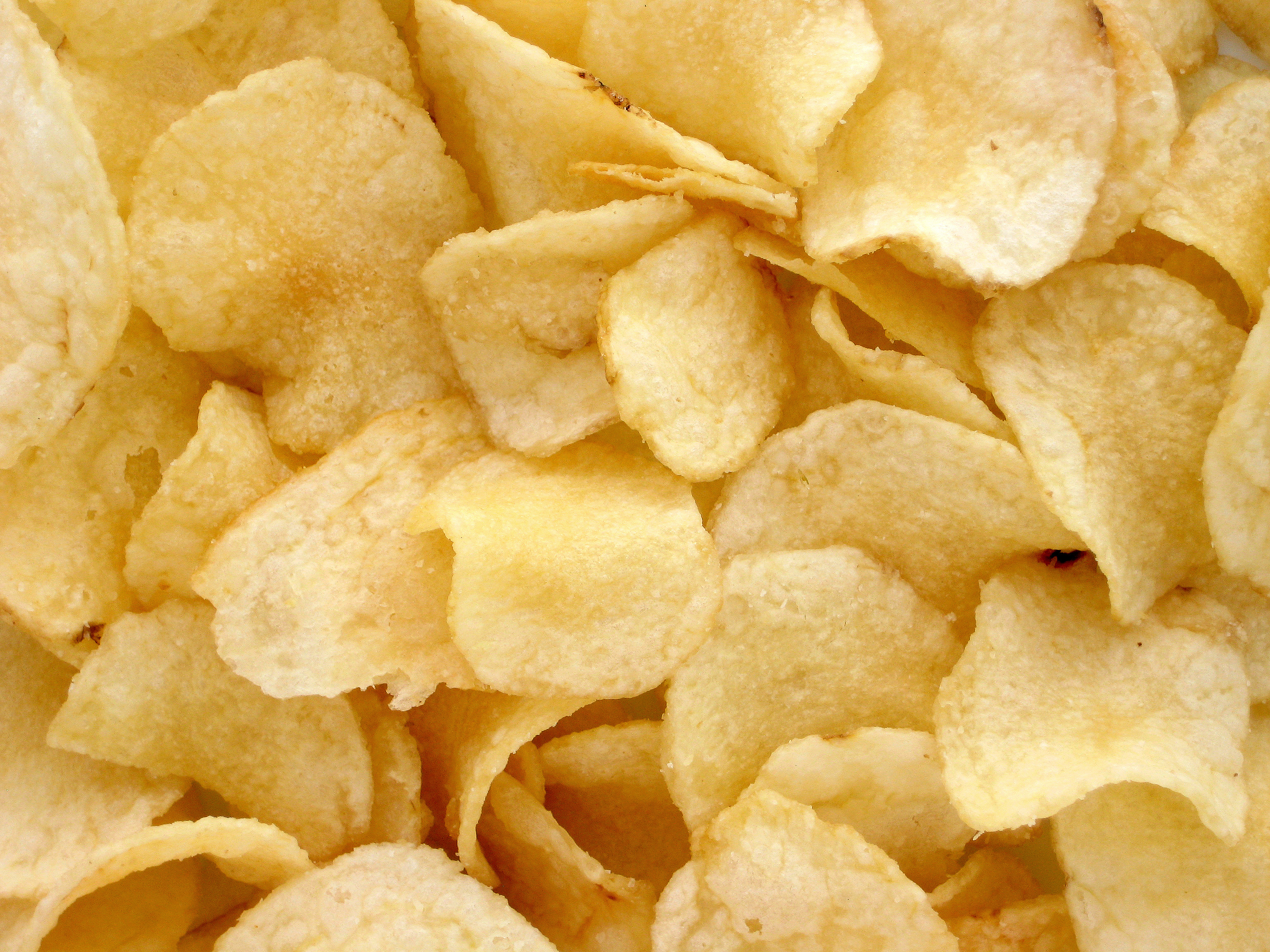
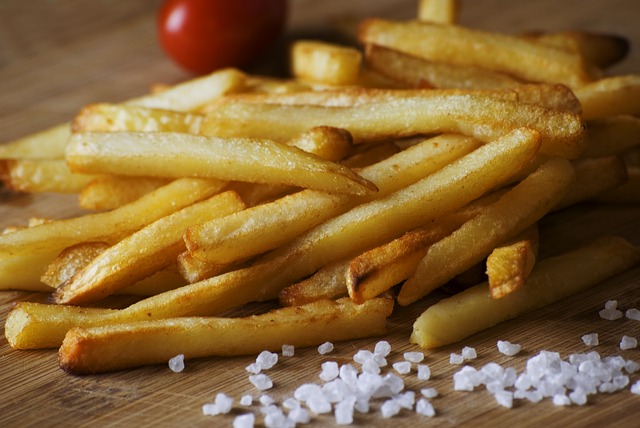
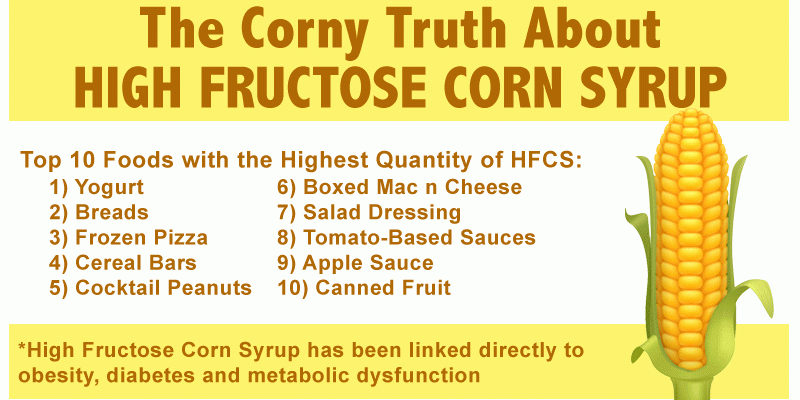
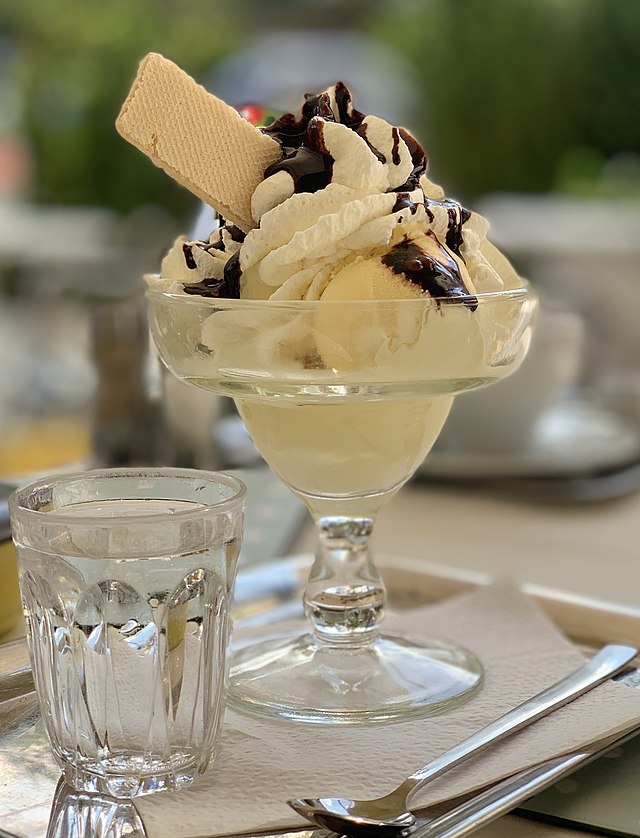
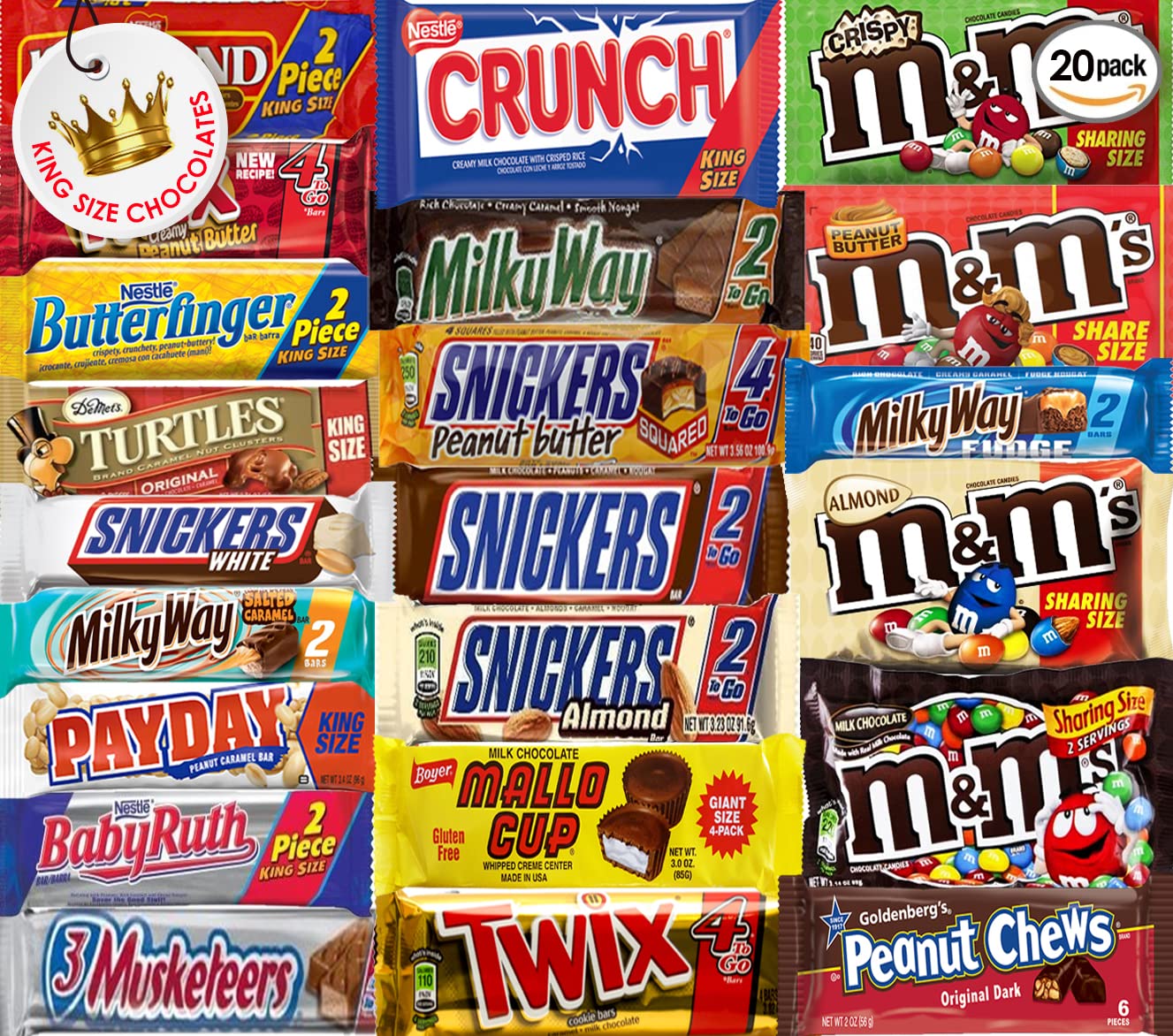
(I know, it’s all the foods that make life worthwhile. Sorry.) 😦

To understand why we are drawn to foods that are particularly rich in sugar, fats or salt, we need to take a look at the “reward center”, the mesolimbic dopaminergic pathway, of the brain, shown below.
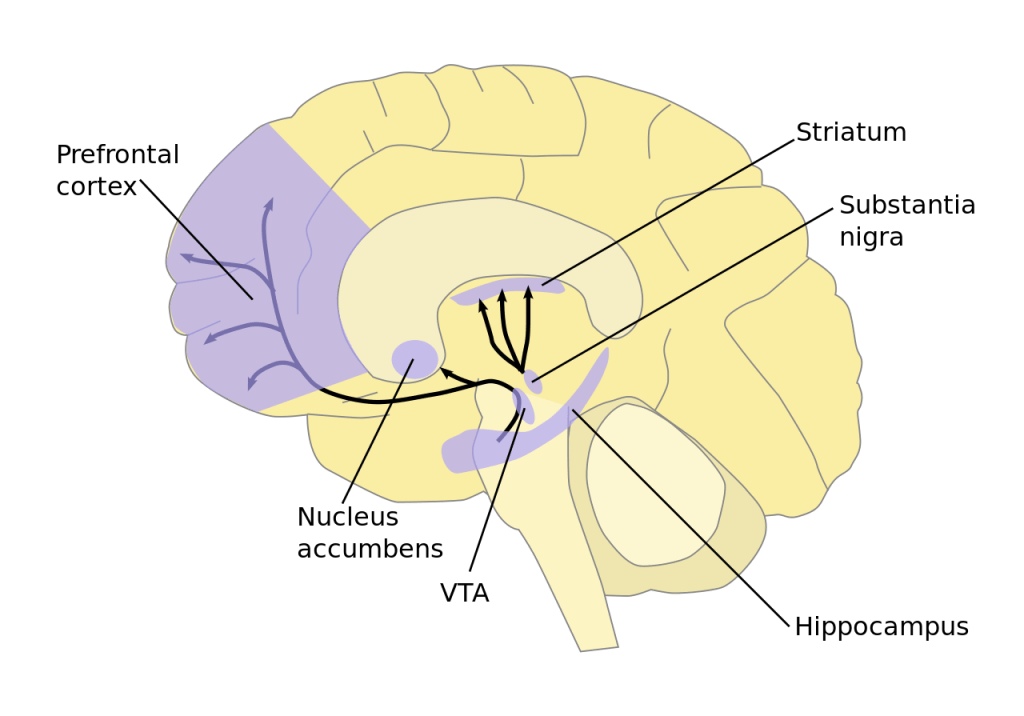
This image is a work of the National Institutes of Health, part of the United States Department of Health and Human Services, taken or made as part of an employee’s official duties. As a work of the U.S. federal government, the image is in the public domain.
According to wikipedia.com, “The release of dopamine from the mesolimbic pathway into the nucleus accumbens regulates incentive salience (e.g. motivation and desire for rewarding stimuli) and facilitates reinforcement and reward-related motor function learning;…The dysregulation of the mesolimbic pathway and its output neurons in the nucleus accumbens plays a significant role in the development and maintenance of an addiction.”[1][6][7][8]
This reward center releases dopamine and thereby marks certain actions and behaviors that are crucial to survival of the individual or to perpetuation of the species, and they include water, food, sex, and nurturing.
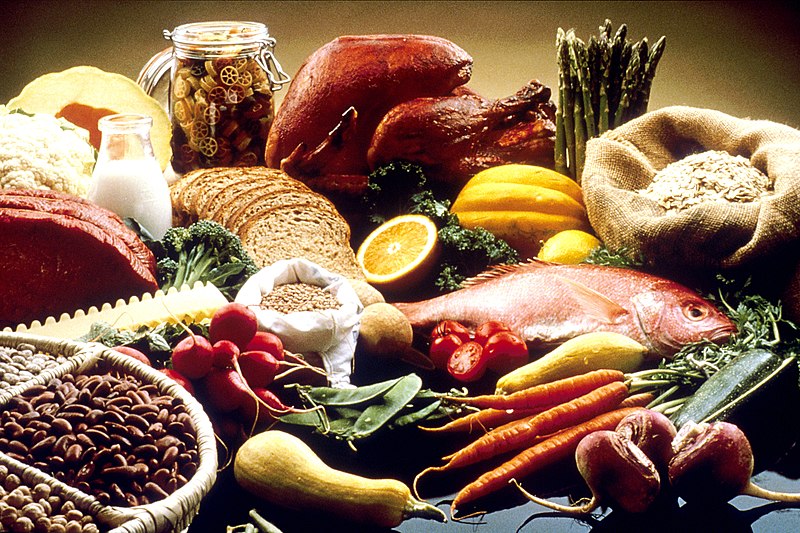


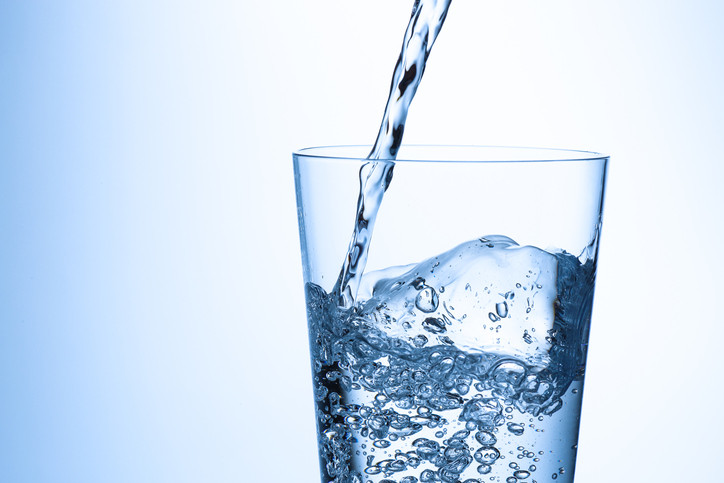
This reward circuitry is very ancient. In the previous blog,https://addictionsandrecoverydotblog.com/2024/03/31/24-evolutionary-mismatch-i-possible-connection-to-gambling/ , I asked reader to imagine that we are traveling back in time about 2 million years to observe a troop of Homo habilis hominids to see how important risk-taking was in their world, and how that behavior may have become maladaptive in the world we live in today.
In a way, this reward circuit acts rather like a pawn shop, in which you present the circuit with an event, such as a pleasurable hug from a loved one, a glass of water, or a dish of ice cream, and the circuit translates that event into a pulse of dopamine.
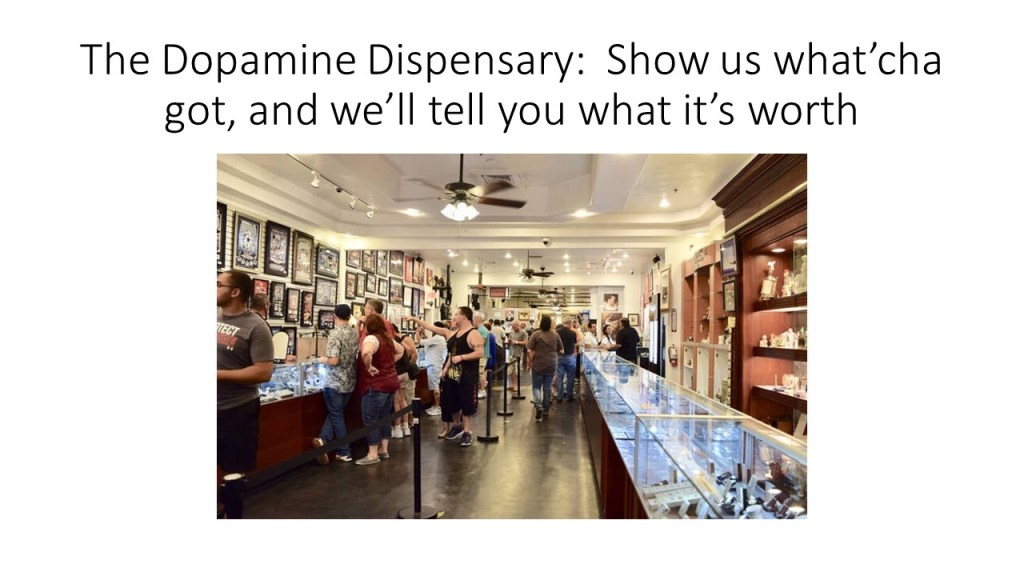
Foods rich in fat and sugar can elicit a very strong pulse of dopamine, In an article appearing in a 2022 issue of National Geographic, Allie Yang makes the following startling statements: “Foods rich in fat and sugar can increase dopamine in the striatum as much as 200 percent (emphasis mine) above normal levels–a similar bump to what’s observed with nicotine and alcohol, the two most common addictions in the U.S. Specifically, one study found sugar increased dopamine levels by 135 to 140 percent (again, emphasis mine), and fat increased them by 160 percent in another study, although it takes longer to kick in. Other drugs work very differently–cocaine can triple normal dopamine levels while methamphetamine can multiply normal dopamine levels 10-fold.”
In each of these cases, a certain amount of dopamine will be released from the ingestion of these substances, but let’s face it, there’s only so much dopamine you’re gonna get from eating a spear of broccoli:
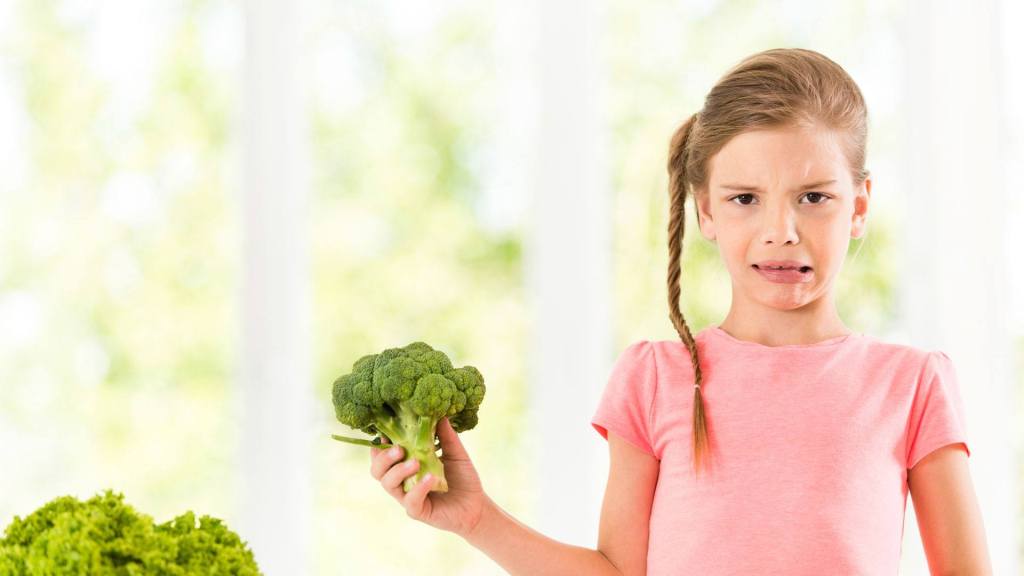
By the way, this is the late President George H.W. Bush’s take on broccoli: “I do not like broccoli,” Bush once said to the press, tongue somewhat in cheek. “And I haven’t liked it since I was a little kid and my mother made me eat it. And I’m president of the United States, and I’m not going to eat any more broccoli!”
Regarding the foods which our prehistoric ancestors ingested, we can state the following:
- There was no refrigeration, and there was no preservation of foods with salt that early in human evolution, but the fact that we have taste buds adapted for the detection of salt indicates that salt, or sodium chloride, is an essential nutrient. After digestion, in bodily fluids, salt turns into electrolytes, positively charged Sodium and negatively charged Chloride, found mostly in blood and the fluid that bathes our cells. Sodium levels are tightly regulated in the human body through a process called osmoregulation. Sodium plays an important role in regulating body fluids and normal nerve and muscle function. Having evolved with sodium, the human body has a variety of mechanisms to deal with it in times of excess and times of scarcity, however the body is better at dealing with more, than too little ( https://sodii.com.au/blogs/library/the-importance-of-salt) ;
- Given the uncertainty of finding food, our prehistoric ancestors were accustomed to ingesting enough food to survive and to sustain themselves during lean times. As a result, they had an evolved proneness to eat beyond caloric need and in the absence of physiologically driven hunger (Davis, 2014);
- Bitter substances were perceived to be toxic and to be avoided, although there are certain exceptions. Nicotine is smoked by the Aka, a group of Central African foragers, because it has desirable antiparasitic qualities;
- The human preference for sweet taste is an innate characteristic that has evolved to activate pleasure-generating brain mechanisms. Sugars have natural analgesic properties in infants and children, they likely signal the likely absence of toxicity in the food source, and they provide a prompt source of energy to the organism;
- Foods that are rich in fats have high caloric content, so ingesting fats may be useful to survive lean times, especially when the troop had to migrate;
Furthermore, there’s only a limited amount of dopamine that will be released from the sugar, fat, and salt in the foods that our Homo habilis ancestors ate. However, with the creation of ultra-processed foods in the 20th century, we now have foods that have never existed before in nature, have very high caloric content, and are relatively inexpensive to produce and purchase. All of these foods are pre-digested, i.e., they have had water and fiber removed, so absorption is rapid, and therefore the “payoff” in dopamine is rapid.
These ultra-processed foods have been created by the simultaneous purification of psychotropic plant ingredients by industrial means, the cultivation of strains with increased concentrations of the active substances, and the addition of emulsifiers and other substances in the processing of food, all of which have led to more dopamine release in the brain than it will ever see in a spear of broccoli. There seems to be general consensus that the sharp increase in ingestion of sugar, fats and salt have led to the increased incidence of obesity, alcoholism and drug misuse and chronic metabolic disease.
So how does our daily ingestion of sugar, fats and salt compare with recommended amounts, and what are the sources of the sugar, fats and salts that we eat? (I apologize for the awkward shape of the cells in the table. I don’t know how to change the format and make it more readable.)
The following table gives us an glimpse:
| Actual daily intake | Suggested daily intake (2) | Source of daily intake | |
| Fat/oil | “Research published in 2007 in “Topics in Clinical Nutrition” surveyed the typical American diet. It noted that the average person over age 2 eats 79 grams of dietary fat — of all kinds — per day. This breaks down to 26 grams of saturated fat, 30 grams of monounsaturated fats, 16 grams of polyunsaturated fats and 5.3 grams of trans fats. Adult men eat slightly more than the national average, at 81 grams of dietary fat a day. Boys and teen males eat significantly more, at 91 grams of fat a day. Adult women eat much less than the national average — 64 grams a day — while girls and teen females consume an average of 51 grams of fat a day.(1) | Intake of such should take up 15-30% of total energy intake. Oil for cooking should not exceed 25-30 g (6-7 teaspoons) per day. | “The top sources of solid fats in the American diet are grain-based desserts such as cakes or cookies pizza and full-fat cheese. However, the good news is that, according to the dietary report card from CSPI, Americans have increased their consumption of unsaturated fats from salad and cooking oils, such as olive oil, and are eating less trans and saturated fat-rich shortening than in 1970; however, the numbers show that the SAD is still going over the recommended amount of all types of fat.” (1) |
| Salt/sodium | 3,123 mg among females; 3,886 mg among males (3) | Preferably less than 2 000 mg (slightly less than 1 level teaspoon of salt or 2 tablespoons of soy sauce) | The culprit? More than 70% of the salt that Americans eat comes from packaged, processed, store-bought and restaurant foods, the CDC says. (4) |
| Sugar | The average American adult, teenager, and child consumes about 17 teaspoons of added sugar a day, or about 270 calories. While we sometimes add sugar or sweeteners like honey to food or beverages, most added sugar comes from processed and prepared foods.(5) | Intake of such should be below 10% of total energy intake. Intake of such should be less than 50 g or 10 pieces of sugar cubes for a diet of say 2,000 kcal per day. | The average US daily energy intake in 2009-2010 ws 2069.5 kcal, and nearly three in five calories (57.9%) came from ultra-processed foods…The most common ultra-processed foods in terms of energy contribution were breads; soft drinks, fruit drinks and milk-based drinks; cakes, cookies and pies, salty snacks; frozen and shelf-stable plates; pizza and breakfast cereals. Meat, fruit and milk provided the most calories among unprocessed or minimally processed foods; ham and cheese, the most calories among processed foods; and table sugar and plant oils, the most calories among processed culinary ingredients. (6) |
1)https://www.weekand.com/healthy-living/article/average-fat-intake-sad-18002727.php
2) Center for Health Protection, Department of Health, Government of the Hong Kong Special Administrative Region, https://www.chp.gov.hk/en/static/90037.html .
3) Harnack, et. al., (2017).
5) https://www.hsph.harvard.edu/nutritionsource/carbohydrates/added-sugar-in-the-diet/
6) Steele, et. al. (2016)
Salt differs from both sugar and fats because it has no caloric value, but it IS an essential nutrient. It is needed for the proper functioning of neurons and muscles, and it helps maintain the proper balance of water and minerals. It is important to note that we humans are descendants of species which evolved in a hot, dry environment, where water and salt were in short supply.
What we find, therefore, is that “a deficiency in sodium is one of the strongest homeostatic drives known in animals, evoking intense cravings for salty foods after salt deprivation. (Verharen, et. al., 2019).” It is so strong, in fact, that a solution of concentrated salt, usually an aversive stimulus, will become appetitive in sodium-depleted rats.
Data from the US Food and Drug Administration (FDA) state that “Americans eat on average about 3,400 mg of sodium per day. However, the Dietary Guidelines for Americans recommends adults limit sodium intake to less than 2,300 mg per day—that’s equal to about 1 teaspoon of table salt! For children under age 14, recommended limits are even lower.” (https://www.fda.gov/food/nutrition-education-resources-materials/sodium-your-diet).
So Americans consume nearly 50% more salt per day than recommended. To me, this raises two questions:
- Where is all this salt coming from?
- What is the function of salt added to processed food?
To address the first question, Harnack et. al. (2017) conducted a study to determine the sources of sodium in 450US adults from 3 geographic regions: Birmingham, AL; Palo Alto, CA; and the Minneapolis-St. Paul, MN metropolitan areas. Equal numbers of women and men from each of 4 race/ethnic groups (blacks, Asians, Hispanics, and non-Hispanic whites) were targeted for recruitment.
First, they found that the mean total daily sodium intake in the sample was 3501 mg/day, well above the recommended limit.
Second, the salt is coming from 5 different sources:
| Source | Proportion (%) |
| Added to food outside the home (as in commercial food processing, restaurant food preparation, etc.) | 70.9 |
| Inherent in the food itself | 14.2 |
| Added in food preparation | 5.6 |
| Added at the table | 4.9 |
| Water, other beverages, dietary supplements and nonprescription antacids | <0.5 |
I believe that the answer to the second question, “What is the function of salt added to our processed food”, depends on whether we are looking at processed foods or ultra-processed foods, considering that “the use of salt is an integral and crucial part in the production of cheese, bread, and meat products (Rysova and Smodova 2021). ”
Processed foods. I. Cheese
According to Rysova and Smidova (2021), the salting of cheese has a direct effect on its sensory quality and technological qualities. Salt interacts with water to cause an increase in the osmotic pressure between the curd grains which then leads to the release of whey, thus hardening the cheese itself. The salt in cheese will also affect the charge of protein molecules, and therefore influences the solubility or, conversely, the aggregation of proteins or their hydration.” (Rysova and Smidova, 2021).
Processed foods. II. Baked products
“Bread, pastry, and other bakery products vary in their salt content, depending local technology and taste habits in individual countries. The addition of salt significantly affects the absorption of water in the flour and thus the development of the dough, the time required for its kneading, and the intensity of kneading. During kneading, salt promotes the formation of the structure of gluten and its viscoelastic properties. With the addition of salt, the dough is better mechanically processed and becomes softer and more flexible…Reduced-salt dough is firmer at the beginning of kneading, but less stable and prone to over-kneading and the resulting dough is weak and sticky.” (Rysova and Smidova, 2021).
Processed foods. III. Meat products
“In meat products, sodium chloride is a multifunctional and indispensable component. In addition to enhancing the taste, it supports the shelf life of meat products, texture, colour, reduces water activity, and regulates the solubility of proteins….Salt also has a role in proteolytic enzymes inhibition…Salt is also used in the production of long-life meat products, including fermented products. During drying due to water loss, the salt concentration increases, and the water activity decreases. During fermentation, the pH decreases at the same time, so the salt content together with the low water activity and (low) pH ensures the shelf life of the product.” (Rysova and Smidova, 2021).
Ultra-processed foods
Brian Palmer, author of an article, “Why Is There So Much Salt in Processed Foods?”, which appeared in Slate, https://slate.com/technology/2013/05/salt-dietary-guidelines-why-do-food-manufacturers-use-so-much-salt.html , takes a rather cynical view, but that may be because he is discussing ultra-processed foods. I infer that from the image that appears right underneath the title:
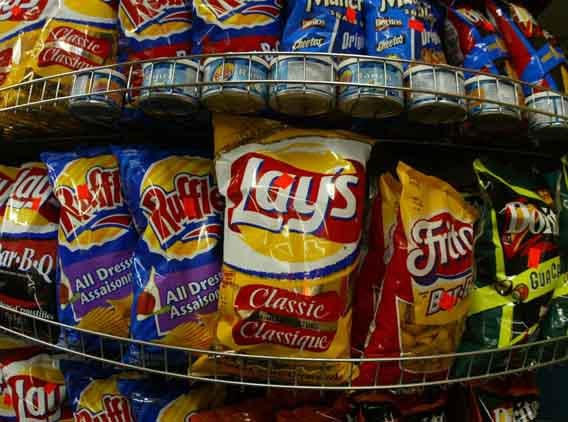
His opinion is that salt has a “quasi-addictive” effect among consumers. Food sellers don’t just want you to like their products, they want you to crave them in increasing quantities. The more salt a person eats, the more salt he or she wants.
To support this assertion, Soto-Escageda et. al. (2016)make a startling statement in the Abstract to their article, “Does salt addiction exist?” “Salt consumption activates the brain reward system, inducing cravings and the search for salted food.”
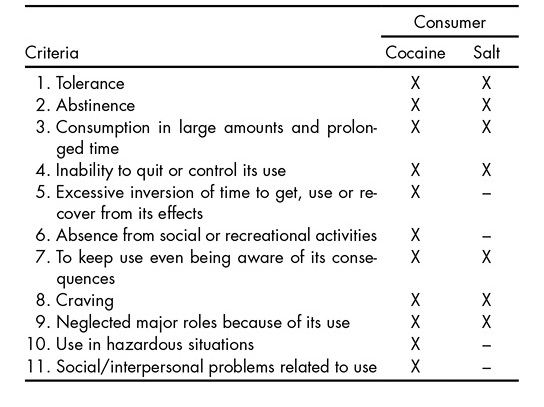
They go even further in their Background section: ” Although sodium intake shares neuronal networks and pathways with drugs of abuse,36,37 it is important to classify salt as a substance of abuse through clinical features in the same way as psychoactive drugs. The Diagnostic and Statistical Manual of Mental Disorders 5 (DSM-5) identifies substance abuse and dependence as “Substance Use Disorders” (SUDs) and points out that it is necessary to accomplish two or more of 11 criteria within a 12-month period to diagnose it. In most cases, salt consumption fulfils at least seven of these (Table 3).43,43,43,47 “
And here is Table 3, in which they suggest that responses to salt are analogous to those of cocaine:
Salt craving
The Cleveland Clinic describes 6 reasons why a person may crave salt (2020):
Stress: “Stress eating has everything to do with hormone levels. When your body is under stress, it releases cortisol and other hormones. Studies have linked too much cortisol to food cravings.”

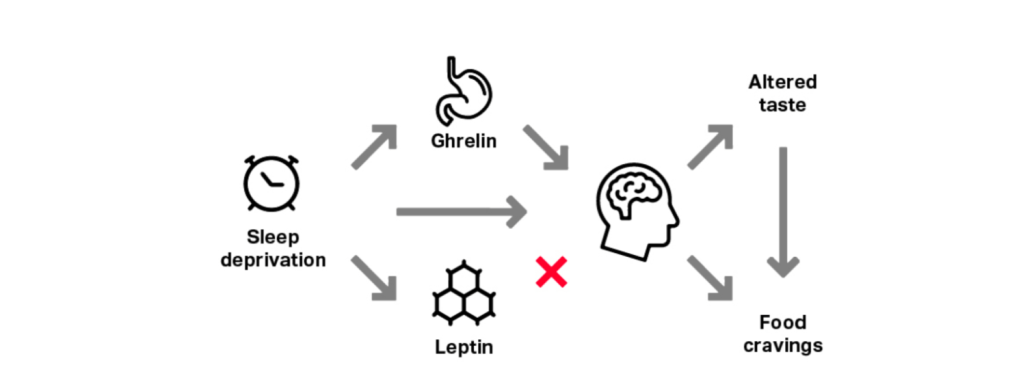
Lack of sleep: “Much like stress, lack of sleep affects your hormones – and salt cravings.” From https://www.eightsleep.com/blog/snapshot-sleep-deprivation-food-cravings/: “Poor sleep throws brain-signaling hunger hormones out of whack. Levels of the hunger-inducing ghrelin are increased, while the anti-hunger hormone leptin is lowered. It’s not clear why this occurs, but it may be due to higher sympathetic nerve activity — the stress response — caused by poor sleep. “

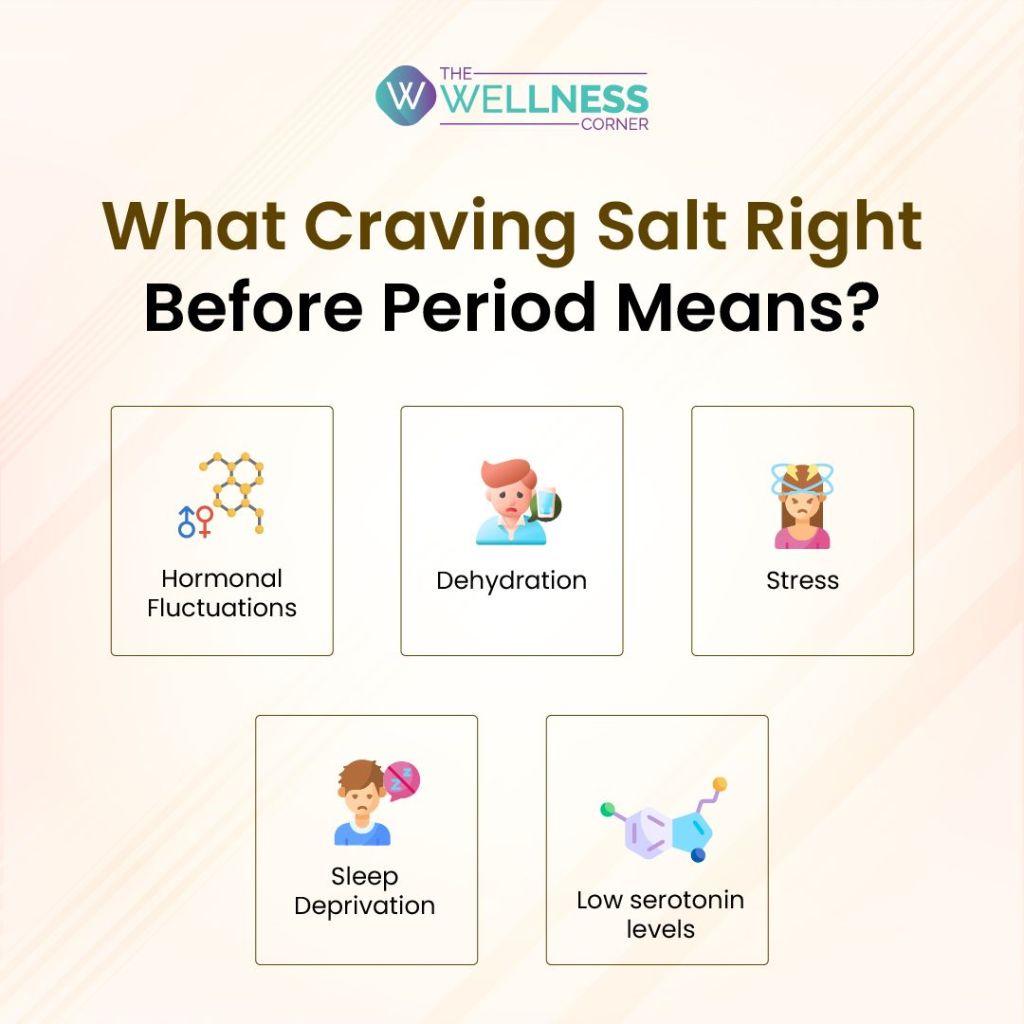
Premenstrual syndrome: “Research shows that women with PMS experience hormone changes. As a result, they crave more sweet or salty foods, especially around their periods.”
Exercise: “The more your exercise, the more you sweat. Too much sweating reduces sodium levels in your body. Your body responds by upping your desire for salt.”

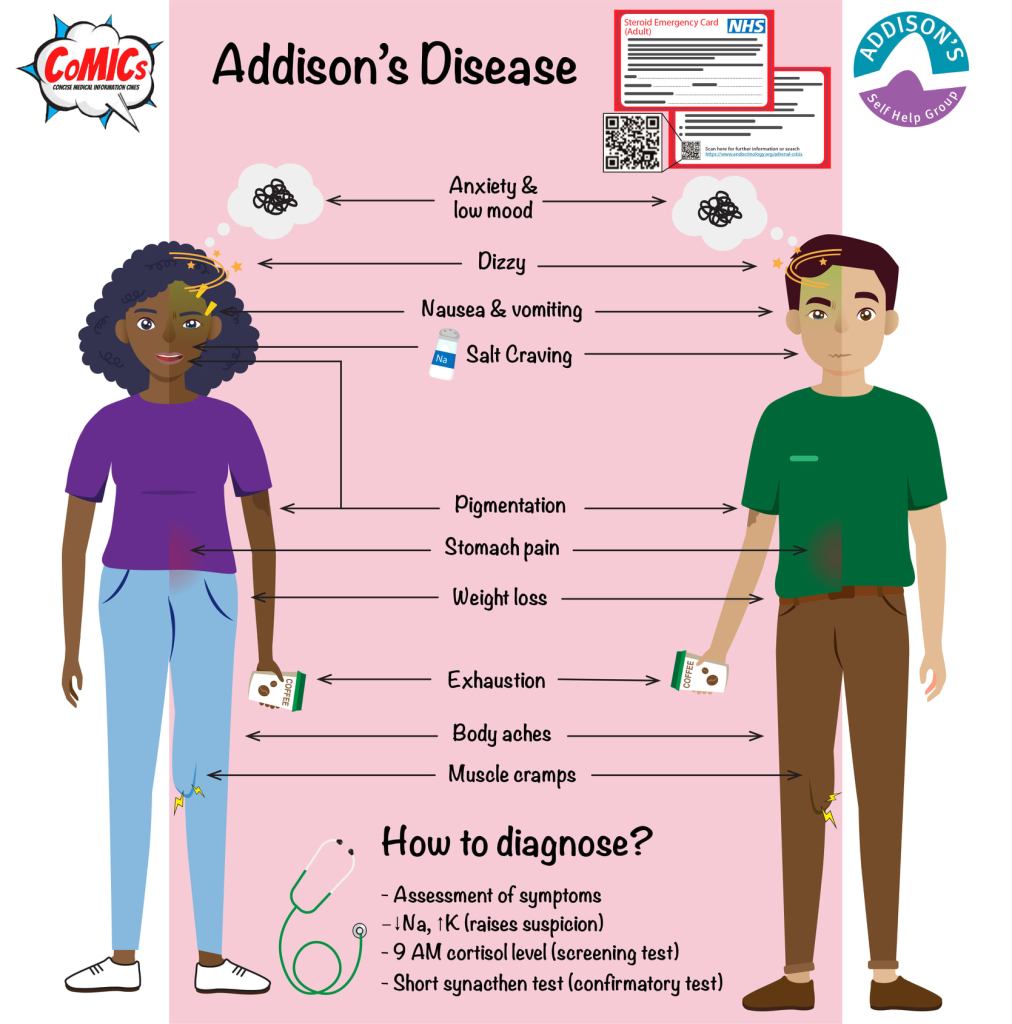
Addison’s disease: “Addison’s disease, or adrenal insufficiency, is a rare condition where the body does not produce enough of certain hormones, including cortisol. These hormones control the balance of salt and fluids in the body. The body may end up craving salt because it can’t retain it as well.”
Boredom: “A lot of times, eating is just something to do to pass the time. On top of that, salty foods are convenient. They’re usually pre-made, so you don’t have to cook. It’s almost too easy to satisfy those cravings.”
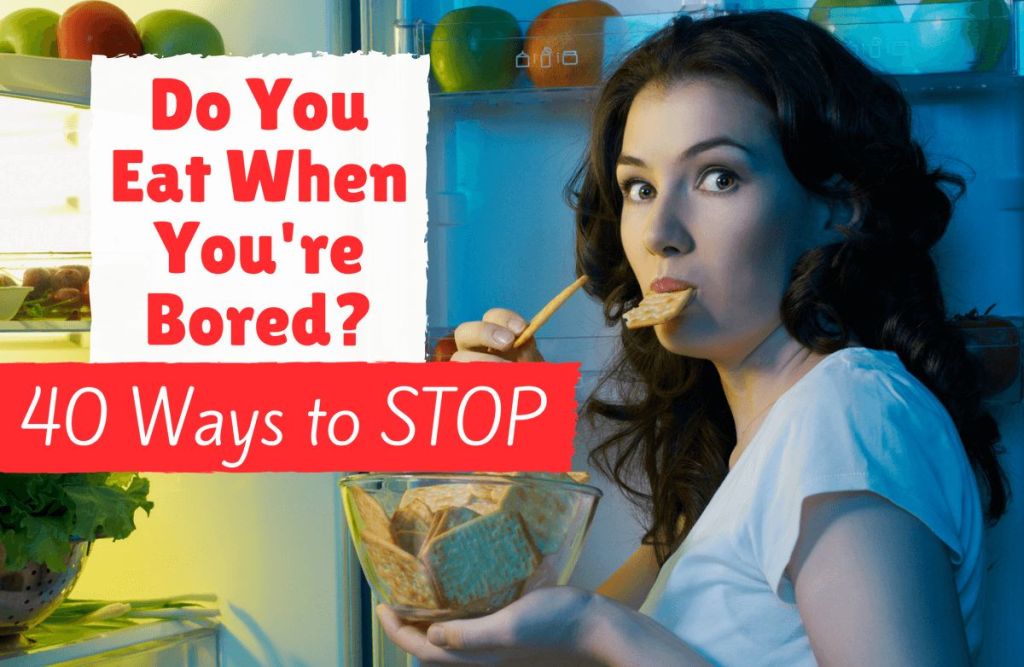
By the way, in case you are interested in finding out 40 ways to stop eating when you’re bored, the source of the above image can be accessed via https://www.sparkpeople.com/blog/blog.asp?post=40_things_to_do_instead_of_eat_when_youre_bored
The Cleveland Clinic goes to describe 10 ways to combat salt cravings:
- Eat whole, identifiable foods;
- Know your limits;
- Plan meals ahead of time;
- Get spicy;
- Choose restaurants that serve whole foods;
- Know ALL your options;
- Recognize hunger cues versus cravings;
- Stay hydrated;
- Read food labels;
- Take it (i.e., reduction in salt intake) slow and steady.
Cleveland Clinic. (2020). Why do You Crave Salt? https://health.clevelandclinic.org/why-do-you-crave-salt
Davis, E. (2014). Evolutionary and neuropsychological perspectives on addictive behaviors and addictive substances: relevance to the “food addiction” construct. Substance Abuse and Rehabilitation 2014:5 129-137.
Harnack, L.J.; Cogswell, M.E.; Shikany, J.M.; Gardner, C.D.; Gillespie, C.; Loria, C.M.; Zhou, X.; Yuan, K.; Steffen, L.M. (2017). Sources of Sodium in US adults from 3 Geographic Regions. Circulation 2017; 135:1775-1783. DOI: 10.1161/CIRCULATIONAHA.116.024446 .
Rysova, J.; Smidova, Z.(2021). Effect of Salt Content Reduction on Food Processing Technology. Foods 2021, 10, 2237. https://doi.org/10.3390foods20092237.
Soto-Escageda, J.A.; Estanol-Vidal, B.; Vidal-Victoria, C.; Michel-Chavez, A.; Sierra-Beltran, M.A.; Bourges-Rodriguez, H. (2016). Does salt addiction exist? DOI: 10.17711/SM.0185-3325.2016.016
Steele, E.M.; Baraldi, L.G.; da Costa Louzada, M.L.; Moubarac, J-C.; Mozaffarian, D.; Monteiro, C.A. (2014). Ultra-processed foods and added sugars in the US diet: evidence from a nationally representative cross-sectional study. BMJ Open 2016:6:e009892. doi: 10.1136/bmjopen-2015-0099862.
Verharen, J.P.H.; Roelofs, T.J.M.; Menting-Henry, S.; Luijendijk, M.C.M.; Vanderschuren, L.J.M.J.; Adan, R.A.H. (2019). Limbic control over the homeostatic need for sodium. Nature Scientific Reports. https://doi.org/10.1038/s41598-018-37405-w .
Yang, A. (December 28, 2022). How sugar and fat affect your brain. https://www.nationalgeographic.com/magazine/artcle/how-sugar-and-fat-affect-your-brain .
 Addictions and Recovery