
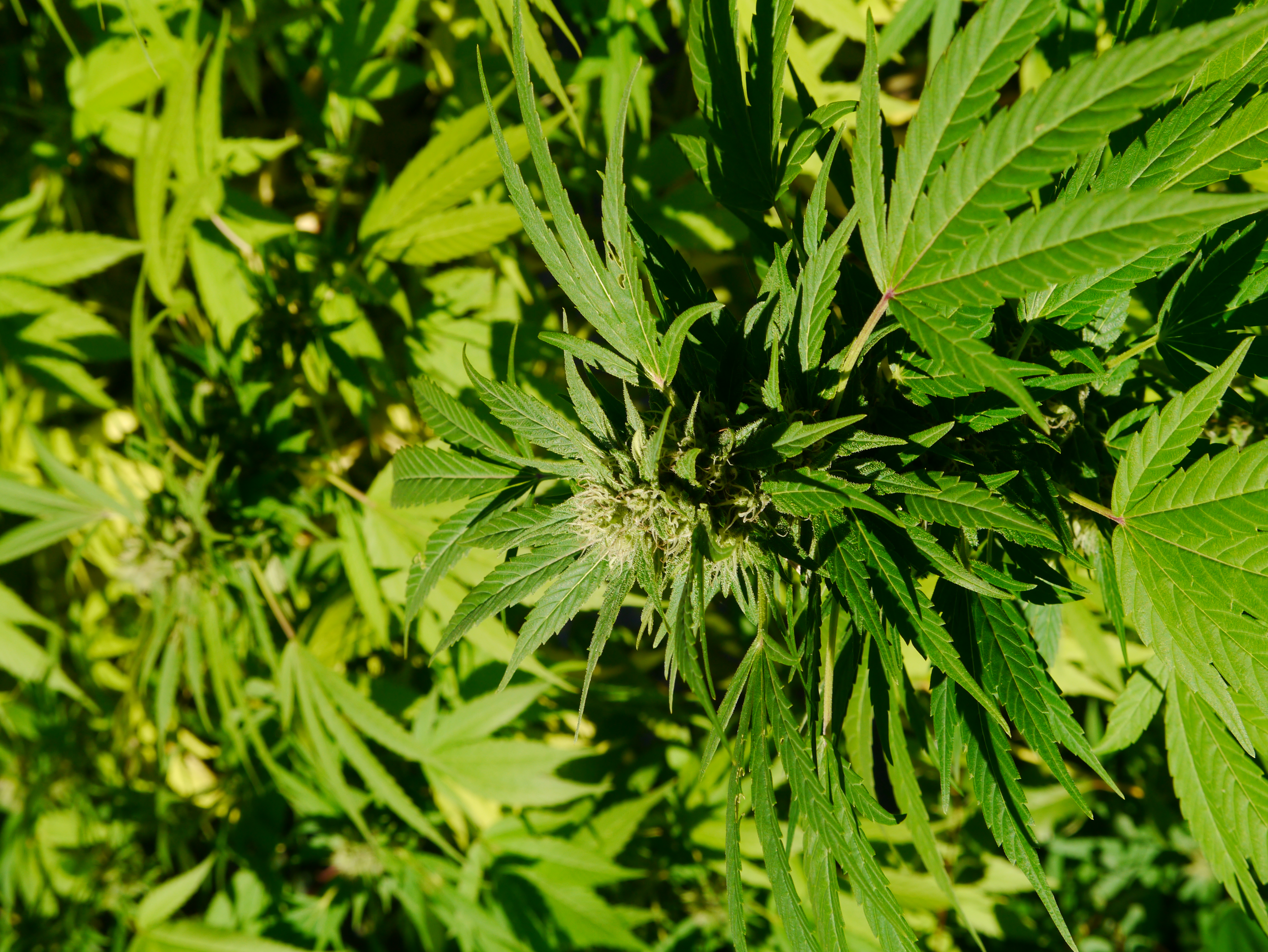
Until recently, there has been a sharp difference of opinion in the legal status of marijuana between U.S. state and federal levels. According to the Drug Enforcement Administration, a Schedule I drug has a “high abuse potential with no accepted medical use; medications within this schedule may not be prescribed, dispensed, or administered.” In the Controlled Substances Act of 1970, the Federal government categorized marijuana as a Schedule I substance, meaning it was considered to have no acceptable medical use and was among the class of drugs having the highest potential for misuse. As a result, large numbers of people have been incarcerated for marijuana possession and sales. According to an article written in 2022 by Katharine Neill Harris, a total of 317,793 people were arrested in the United States were arrested for cannabis possession in 2020. That total is down from 2019, when more than 500,000 marijuana arrests were reported.
In contrast to the federal policy, 37 of the United States regulate some form of medical cannabis sales despite federal laws. As of 2016 seventeen of those states (Arizona, California, Colorado, Connecticut, Delaware, Illinois, Maine, Michigan, Montana, Nevada, New Jersey, New Mexico, New York, Oklahoma, Oregon, Rhode Island, Washington, and Washington, D.C.) have at least one medical marijuana dispensary, with varying product laws. Furthermore, as of March 2024, 25 states regulate recreational dispensaries. A partial list includes Alaska (Alaska Measure 2 (2014)), Arizona (2020 Arizona Proposition 207), California (2018), Colorado (Colorado Amendment 64), Illinois (2020), Maine (2020), Massachusetts (2018), Nevada (2017), Oregon (Oregon Ballot Measure 91 (2014)), Michigan, and Washington (Washington Initiative 502). These are stores where any adult 21+ can enter to purchase cannabis and or cannabis smoking accessories. (https://en.wikipedia.org/wiki/Cannabis_dispensaries_in_the_United_States)
On April 30, 2024, the U.S. Department of Justice (DOJ) circulated a proposal to reclassify marijuana from a Schedule I to a Schedule III controlled substance, which is defined as a drug with a moderate to low potential for physical and psychological dependence. Schedule III drugs abuse potential is less than Schedule I and Schedule II drugs but more than Schedule IV. Some examples of Schedule III drugs are: products containing less than 90 milligrams of codeine per dosage unit (Tylenol with codeine), ketamine, anabolic steroids, testosterone.
This trend in legalizing marijuana has led to a reduced perception of risk, and an increase in cannabis use in both adults and adolescents (Lowe, et. al., 2019). Therefore, It is worth looking at both the therapeutic applications and the risks associated with the use of marijuana.
I. A brief history
Most botanists agree that Cannabis sativa originated in Asia and was transported to Europe as a domesticated and cultivated crop during the Bronze Age (22nd to the 16th century BC). Now, however, it is widely grown and cultivated in Africa, Canada, Europe and the United States (Iftikhar, et. al., 2021).
Cannabis contains over 100 active chemical compounds known as ‘cannabinoids’, only THC, delta-9 tetrahydrocannabinol, and CBD, cannabidiol, are significant in our discussion pertaining medical and recreational uses of cannabis. THC is the one with significant psychoactive activity, while CBD, a non-psychoactive component, has been shown to have considerable therapeutic applicability for the treatment of a number of ailments, as we will see below. As expected, those cultivars which are used for therapeutic purposes tend to have a higher concentration of CBD. These cultivars have possible application for their antipsychotic, anxiolytic, anti-craving pro-cognitive and neuroprotective effects (Lowe, et. al., 2019). Those cultivars used for recreational purposes tend to have a higher concentration of THC.
Cannabis also has high nutritional content, so each component of the plant, including stems, seeds, roots and flowers have been used for food and therapeutic purposes.
Cannabinoids bind to CB1 and CB2 receptors to exert their action. CB1 receptors are found in the central nervous system, while CB2 receptors are found more generally, in the peripheral nervous system, and in immunological tissue and other tissues.

I. Therapeutic applications
Wong-Salgado et. al. (2024) report a number of possible therapeutic applications for the 4 cultivars from Peru which they tested. They suggest the following medical areas in which these cultivars could be used:
- Managing chronic pain;
- Reducing nausea (antiemetic), inflammation (anti-inflammatory), and itching (antipruritic);
- Treating duodenal ulcers;
- They can be used in bronchodilators and in muscle relaxants;
- Treating refractory epilepsy;
- Treating anxiety (anxiolytic)
So let us take a closer of these and other possible applications:
a. Managing chronic pain
Chronic pain is the major cause of non-fatal disease burden worldwide. It is estimated to affect one in five adults in the general global population and one in three in low-income and middle-income countries (Zeng, et. al., 2021). As people become more concerned about the use of opioids for the management of chronic pain, they are now looking for alternative, less risky alternatives. To address the issue of whether either THC and/or CBD can be used for the treatment of chronic pain, Zeng et. al. (2021) conducted a systematic review investigating values and preferences towards the use of medical cannabis among people living with chronic pain. A literature search yielded 15 studies, conducted between 2010 and 2019, as eligible for review.
The following is a list of findings, adapted from Table 2, Review findings and certainty of evidence:
- Chronic pain patients had mixed levels of comfort or willingness to use medical cannabis, largely due to the feared stigma associated with cannabis use;
- Most patients who use medical cannabis had a positive attitude towards it use for pain relief;
- Patients with chronic pain and substance use histories preferred medical cannabis over prescription opioids;
- Most patients preferred medical cannabis with a blend of indica and sativa, regardless of gender, reasons for use, and cannabis experience level;
- A balanced ratio of THC:CBD was the most preferred preparation but gender, reason for use, and cannabis experience level influenced patients’ preference for cannabis ratio;
- Most patients with advanced life-limiting illness preferred an oral form (non-inhaled) of medical cannabis;
- Most patients used medical cannabis because it improved symptoms associated with pain, mental health and other medical conditions;
- Most patients were motivated to use medical cannabis to reduce use of prescription medication;
- The majority of patients expressed that their cannabis use was influenced by positive social consequences, such as social support from friends and family;
- Most patients expressed concerns with using cannabis, and described a range of adverse effects;
- Most patients expressed that their cannabis use was influenced by negative social consequences, such as stigma.
Bhaskar et. al. (2021) consulted with twenty global experts across nine countries to determine protocols on dosing and administration of medical cannabis to treat chronic pain. This panel of experts reached a consensus that medical cannabis could be used for the treatment of neuropathic pain, inflammatory pain, nociplastic pain, and mixed pain. The “conservative” and “routine” protocols begin with a CBD dose of 5 mg once or twice daily, and slowly titrating up to 40 mg/day. If the patient fails to reach treatment goals by that time, THC is added. Treatment with the “rapid” protocol, suitable for those requiring urgent management of severe pain, palliation or for those with significant prior use of cannabis, begins with THC.
b. Cardiovascular health
The anti-inflammatory properties of CBD have applications for the treatment of stroke, heart failure, atherosclerosis, and restenosis (Iftikhar, et. al., 2021).
c. Cancer
Cannabinoids have been shown to decrease tumor cell proliferation while sparing normal tissue (Iftikhar, et. al. 2021). Glioma cells (glial cells are those protective cells that nourish and maintain neurons in nervous cells) exposed to cannabis, for example, die from ceramide-induced cell death, but astrocytes (other cells in nerve tissue) are protected in the same way.
d. Restoration of appetite
Data collected by Roberts et. al. (2019) indicate that cannabis principally influences the motivational factors that lead to the initiation of eating and the hedonic factors implicated in maintaining eating. The restoration of appetite is extremely important among those patients who have nausea that is so severe from their chemotherapy drugs that they’re just not interested in eating. In the case of HIV patients, they are undergoing a wasting disease due to negative protein metabolism, hence the need to encourage eating.
e. Treatment of glaucoma
The eye is rich in both CB1 and CB2 receptors. Cb1 receptors have been identified in corneal epithelium and endothelium, ciliary body, iris, Schlemm canal, trabecular meshwork, choroid, and many retinal layers. CB2 receptors have been found in the corneal epithelium and, like CB1 receptors, in many retinal layers: ganglion cell nuclear layer, and inner segments of photoreceptor cells. (Lopez and Nataneli, 2024)
Glaucoma is an optic neuropathy characterized by the loss of specific cells and subsequent progressive degeneration of the optic nerve, leading to permanent, irreversible blindness. The most significant modifiable risk factor is the control of intraocular pressure (IOP) (Lopez and Nataneli, 2024). In all cases, the active ingredient is THC, the psychoactive part of cannabis.
The good news is that the use of cannabis, either ingested, smoked, or topically applied, does significantly reduce intraocular pressure. The not-so-good news is that the therapeutic effect lasts only 3-4 hours, so that in order to achieve a consistent decrease in IOP, glaucoma patients who use medical marijuana would have to smoke at least six to eight doses a day. This would force patients to become heavy, daily marijuana users, placing them at risk for substance dependence (Sun, et. al., 2015).
Ophthalmologists have at their disposal a number of medications which lower IOP, and if they don’t work, there are additional surgical options. It is therefore, the opinion of most medical experts that medical marijuana does not seem to offer a superior therapeutic value given its significantly worse side effect profile (Sun, et. al., 2015).
II. Risks
Any risk attributed to the use of cannabis will be confounded by the simultaneous use of nicotine. The fact is that most people who smoke cannabis also smoke nicotine, whose harmful effects have been well established.
The risks associated with the use of cannabis depend on several factors:
Whether it is smoked: In order for smoking cannabis to have the desired effect, the user has to inhale…deeply. That means that the user is exposing herself/himself to hot smoke particles, which have the potential of being irritants to the delicate tissues in the respiratory system. Estimates suggest that According to Graves, et. al. (2020), “…smoking a marijuana joint produces roughly 3.4 (±0.6) times more Total Particulate Matter (TPM) than smoking a tobacco cigarette following the same puff routine.” If such is the case, it should not be surprising that cannabis smoke will harm pulmonary function in a number of ways.
Whether it is inhaled as a component in an e-cigarette
Unlike other psychoactive drugs which are water-soluble, THC is fat-soluble, so it is typically dissolved in Vitamin E acetate in the cartridge of an e-cigarette. Vitamin E acetate is fine as an ointment on your skin, but in your lungs, it can cause EVALI, or e-cigarette or vaping use-associated lung injury. It is a serious disease that often requires hospitalization.
Whether it is ingested
Ingesting THC as an edible product eliminates the risks associated with smoking. However, the passage of legislation allowing the sale of high-potency THC marijuana for recreational purposes gives the public the false impression that cannabis is “organic” and “healthy”, and therefore there is nothing wrong with its consumption (Stuyt, 2018). It is, in fact, far from safe.
The potency of the cannabis cultivar used
The degree of risk associated with marijuana consumption is directly related to the concentration of its active ingredients. ElSohly et. al. (2016) report that the concentration of delta-9 tetrahydrocannabinol increased from 4% in 1995 to nearly 13% in 2013:

The chronic use of high potency THC marijuana carries with it considerable risk to brain development and function
As a person grows, the brain undergoes changes. Normally, during adolescence, “there is a significant increase in dopaminergic and glutamatergic stimulatory neurotransmitters and a decrease in serotonergic and GABAergic suppressive neurotransmitters located in the pre-frontal motor cortex, which is the last part of the brain to fully develop. The prefrontal motor cortex, or the ‘seat of judgement’ is the last to fully develop and can take up to 25-30 years to fully develop (Stuyt, 2018).” Therefore, the individual undergoes a considerable amount of learning during this time. (BTW, the tractate ‘Ethics of the Fathers’, a book in the Jewish Talmud, clearly states that “a man acquires wisdom when he turns 40”. Well, I am 73 years old, and I’m still waiting. Just saying…)
The ingestion of psychoactive drugs disrupts this normal maturation of the brain, leading to multiple problems, including depression, impaired learning, a reduction of IQ, and psychosis, a worsening of PTSD, and an increase in suicidal ideation.
The use of marijuana is far from safe. In an Australian study, 1,600 girls were followed for seven years starting before they expressed symptoms of mental illness or substance abuse. They found that girls who used marijuana at least once a week were twice as likely to develop depression than those who did not, and those who used marijuana every day were five times more likely to suffer from depression and anxiety than non-users (Patton, G.C., 2002).
Physiological problems associated with cannabis use
a. Pulmonary function
Kaplan (2021) reports that cannabis smoke causes the following pathophysiology:
- Large airway epithelial damage
- Edema (accumulation of fluid in the lungs)
- Erythema (abnormal redness of tissue due to inflammation)
- Increased secretions with goblet cell hyperplasia
- Loss of ciliated epithelium (the tissue which lines the trachea and which possesses ciliated cells to trap dust and soot particles and pushes them up to the throat to be removed from the respiratory system by swallowing.)
- Squamous metaplasia (the transformation of one type of tissue into another.)
Cannabis smoke also leads to hyperinflation with increased large airway resistance. Furthermore, patients with chronic cannabis smoking show an increased prevalence of chronic cough or sputum, wheezing and shortness of breath, increased incidence of acute bronchitic episodes, or clinic visits for acute respiratory illness.
Despite the deeper inhalation, longer breath-holding times, use of unfiltered joints and increased toxicity of cannabis smoke compared to tobacco smoke, case-controlled studies and cohort studies have not shown an increased risk of lung cancer. However, there is some evidence that cannabis smoke is associated with prostate cancer and with cervical cancer.
b. Cardiovascular risk
The use of marijuana may rigger an increase in the risk of myocardial infarction, especially in older patients at risk for cardiovascular disease. Kaplan (2021) reports a study in which 124 patients admitted for acute myocardial infarction who reported marijuana use and controlled for other triggers, showed a 4.8-fold increase in the risk of myocardial infarction in the first hour following marijuana use as compared with periods of non-use.
He also reports significant differences in the consequences of smoking a single cannabis cigarette as compared to a tobacco cigarette:
| Measurement | Cannabis | Tobacco |
| Resting measurement of systolic blood pressure times heart rate | An increase of 54% | An increase of 36% |
| Exercise time until angina among patients with angina pectoris | A decrease of 50% | A decrease of 23% |
There have also been case studies describing ‘Cannabis arteritis’ (inflammation of arteries) and others describing patients who developed subacute and progressive ischemia of distal upper and lower extremities leading to tissue necrosis and gangrene.
c. Mental disorders
Schizophrenia
THC in cannabis has been associated with an increased risk of psychosis in a dose-dependent manner: regular cannabis users and heavy cannabis users are 2- and 4-times more likely to develop psychosis, respectively. Furthermore, a longitudinal study involving over 50,000 male participants indicated that those who smoked cannabis by the age of 18 had twice the risk for receiving a diagnosis of schizophrenia, while those who used chronically were at least six times the risk compared to non-users. In contrast, cannabis abstinence has been shown to ameliorate cognitive impairments related to cannabis use, such as verbal memory and learning, as well as specific symptomology (e.g. depression), suggesting that cannabis may actually contribute to symptom exacerbation in schizophrenia (Lowe, et. al., 2019).
Major Depressive Disorder (MDD) and Bipolar Disorder (BD)
In a 40-year study that analyzed a cohort of over 400 individuals across several time points, cannabis use was correlated with an increased risk of receiving a MDD diagnosis, and earlier onset of cannabis use was correlated with a shorter time to MDD presentation.
The majority of evidence suggests harmful effects of cannabis use in bipolar disorder (BP), another common mood disorder associated with CUD (Cannabis Use Disorder). Using a nationally representative sample of over 40,000 individuals, cannabis use has been associated with a greater risk of BD onset.
Anxiety disorders
Although 50% of respondents in a 2017 Canadian cannabis survey claimed that cannabis had a positive effect on anxiety, most studies indicate a statistically significant association between daily cannabis use and social anxiety disorder (SAD) (Lowe, et. al., 2019).
Post-traumatic Stress Disorder (PTSD)
Current research shows a strong positive association between PTSD symptom severity and daily cannabis, even though numerous individuals with PTSD report that it helps them with sleep. Nonetheless, these same individuals will also report significantly poorer health quality and health quality later (Lowe, et. al., 2019).
And finally:
There are two anecdotes which I would like to share regarding marijuana/cannabis:
- As a graduate student in zoology, 1972-1978, I befriended a veteran who was a translator for the First Armored Division in Danang during the Vietnam war. He said that when there was incoming fire, “those soldiers who were high on marijuana were still able to man their battle stations, but the ones who were drunk were absolutely worthless.” (Please bear in mind that he served in the late ’60s, when the THC concentration was only ~2%.)
- About twenty years later, I befriended a police officer who was working out at a wellness center in Bartlett, TN. At the time, a variety of states, e.g. Colorado, were just starting to pass legislation legalizing the use of cannabis for medical or recreational use, and I asked him whether he thought that the legalization of marijuana in Tennessee would be a good idea. He was extremely adamant in his answer, pounding his fist on the handlebar of the stationary bicycle, and said, “ABSOLUTELY! It should be legal for BOTH medicinal AND recreational purposes, and THE SOONER, THE BETTER!!” I was taken aback by the intensity of his answer, so I asked him, “How so?” He replied thus: “When was the last time I had to break up a fight between two drunks who were having an argument? (Looks at his watch.) Like, at 3 a.m. this morning!…and when was the last time I had to break up a fight between two potheads? Like, NEVER!!” So there you have it.
No, wait, a postscript in honor of Willie Nelson:
Bhaskar, A.; Bell, A.; Boivin; M.; Briques, W.; Brown, M.; Clarke, H.; Cyr, C.; Eisenberg, E.; de Oliveira Silva, R.F.; Frohlich, E.; Georgius, P.; Hogg, M.; Horsted, T.I.; MacCallum, C.A.; Muller-Vahl; K.R.; O’Connell, C.; Sealey, R.; Seibolt, M.; Sihota, A.; Smith, B.K.; Sulak, D.; Vigano, A.; Moulin, D.E. (2021). Consensus recommendations on dosing and administration of medical cannabis to treat chronic pain: results of a modified Delphi Process. Journal of Cannabis Research 3:22. https://doi.org/10.1186/s42238-021-00073-1.
ElSohly, M.M.; Mehmedic, Z.; Foster, S.; Gon, C.; Chandra, S.; Church, J.C. (2016). Changes in Cannabis Potency over the Last Two Decades (1995-2014) – Analysis of Current Data in the United States. Biol Psychiatry. 2016 April 1; 79(7): 613–619. doi:10.1016/j.biopsych.2016.01.004.
Harris, K.N. (2022). 317,793 People Were Arrested for Marijuana Possession in 2020 Despite the Growing Legalization Movement. Rice University’s Baker Institute for Public Policy, https://www.bakerinstitute.org/research/317793-people-were-arrested-marijuana-possession-2020-despite-growing-legalization.
Iftikhar, A.; Zafar, U.; Ahmed, W.; Asim Shabbir, M.; Sameen, A.; Sahar, A.; Bhat, Z.F.; Kowalczewski, P.L.; Jarzebski, M.; Aadil, R.A. (2021). Applications of a Cannabis Sativa in Food and Its Therapeutic Potential: From a Prohibited Drug to a Nutritional Supplement. Molecules 26:7699. doi.org/10.3390/molecules26247699.
Kaplan, A.G. (2021). Cannabis and Lung Health: Does the Bad Outweigh the Good? Pulm. Ther. 7:395-408. https://doi.org/10.1007s41030-021-00171-8.
Lopez, M.J.; Nataneli, H. (2024). Cannabis Use for Glaucoma and Associated Pain. Stat Pearls, StatPearls Publishing 2024.
Lowe, D.J.E.; Sasiadek, J.D.; Coles, A.S.; George, T.P. (2019). Cannabis and Mental Illness: A Review. Eur Arch Psychiatry Clin Neurosci 269(1): 107-120. doi:10.1007/s004006-018-0970.7.
Patton, G.C. (2002). Cannabis use and mental health in young people: cohort study. BMJ 325:1195-1198.
Roberts, C.A.; Jager, G.; Christiansen, P.; Kirkham, T.C. (2019). Exploring the munchies: An online survey of users’ experiences of cannabis effects on appetite and the development of a Cannabinoid Eating Experience Questionnaire. J. Psychopharmology 33(9):1149-1159. doi:10.1177/0269881119862526.
Stuyt, E. (2018). The Problem with the Current High Potency THC Marijuana from the Perspective of an Addiction Psychiatrist. Missouri Medicine 115(6):482-486.
Wong-Salgado, P.; Soares, F.; Moya-Salazar, J.; Ramirez-Mendez, J.F.; Moya-Salazar, M.M.; Apesteguia, A.; Castro, A. (2024). Therapeutic Potential of Cannabinoid Profiles Identified in Cannabis L. Crops in Peru. Biomedicines 12, 306. https://doi.org/10.3390/biomedicines12020306.
Zeng, L.; Lytvyn, L.; Wang, X.; et. al. (2021). Values and preferences towards medical cannabis among people living with chronic pain: a mixed-methods systematic review. BMJ Open 11:e050831. doi:10.1136/bmjopen-2021-050831.
 Addictions and Recovery
