
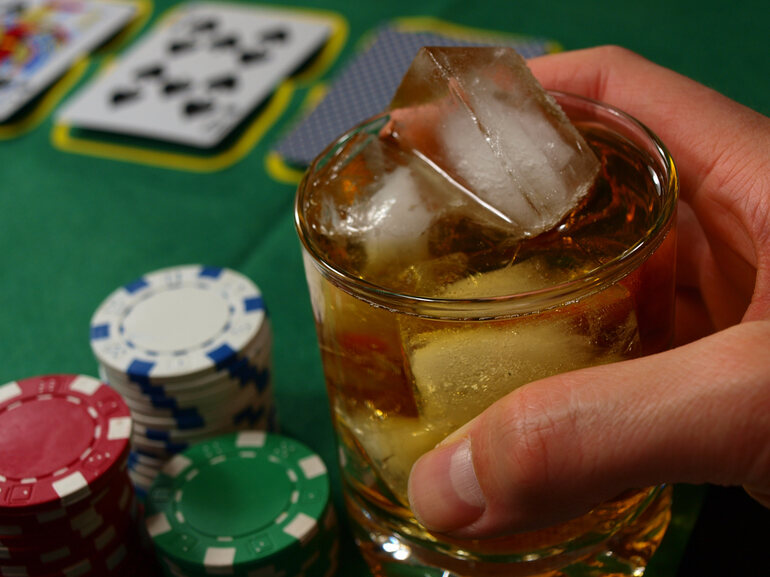
(Image from: https://sandiegobeer.news/should-you-drink-while-gambling/)
The question posed in the above-mentioned issue of sandiegobeer.news, “Should you drink while gambling?” should be fairly easy to answer: “Uh, no.” Granted, alcohol is a social lubricant that can enhance the social experience of gambling in a casino, but we need to remember that excessive drinking can lead to impaired thinking, when keeping a straight face and deciding when you’ve had enough are critical.
A lot of people gamble. An estimated 86% of adults have gambled at some point in their lifetimes, and 63% have gambled at some point in the last year (Harries, et. al. 2017).
And it starts early. Again, according to Harries, et. al. (2017), 60% of 14-15 year olds and 72% of 20 to 21 year olds have gambled.
Similarly, a lot of people drink alcohol. According to the National Survey on Drug Use and Health (NSDUH), 224.3 million people ages 12 and older (79.1% in this age group) reported that they drank alcohol at some point in their lifetime .
Drinking starts early, too. According to the same survey, 5.6 million youth ages 12 to 17 (21.6% in this age group) reported that they drank alcohol at some point in their lifetime.
And yet, relatively few people develop either alcohol use disorders or disordered/pathological gambling:
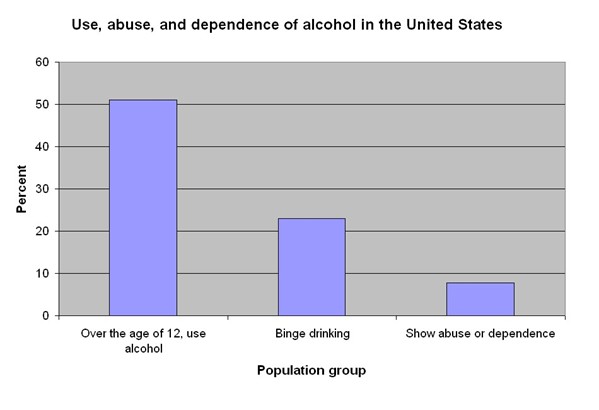
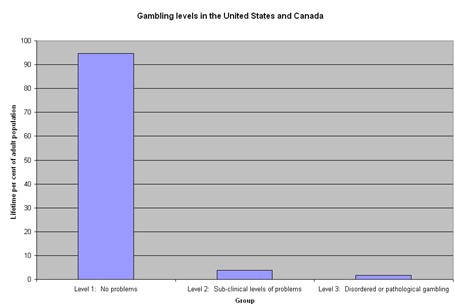
Figures are from Eisen (2009).
We do see a connection between the two, so understanding that connection may lead to earlier interventions.
First, let’s state two things that should be obvious:
- your frontal lobes are your friend, and interfering with their functioning can cost you money…and relationships, marriages, assets, and self-respect:
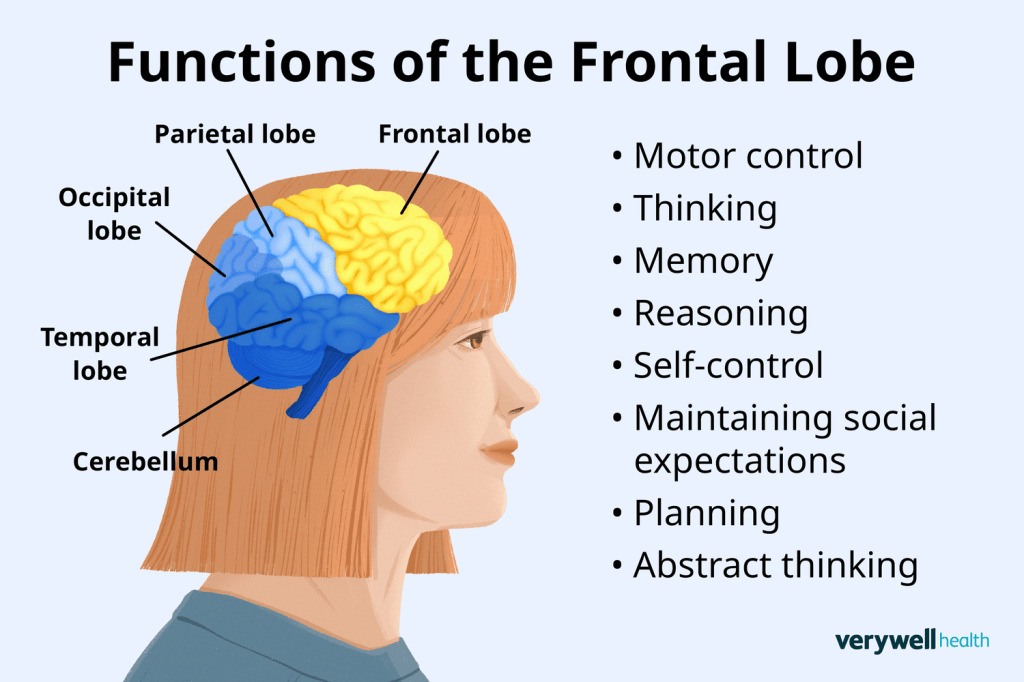
2. The degree of impairment caused by alcohol is directly proportional to blood alcohol concentration (BAC):
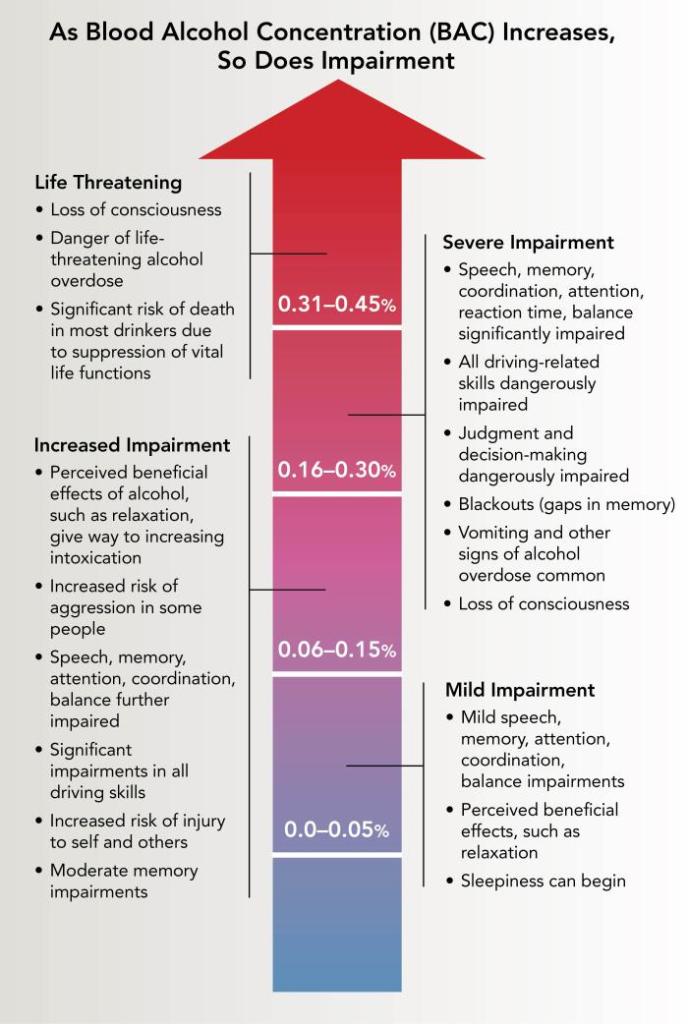
Above figure is from https://www.niaaa.nih.gov/publications/brochures-and-fact-sheets/understanding-dangers-of-alcohol-overdose.
There is a consensus that alcohol misuse, disordered/pathological gambling, and impulsivity are correlated.
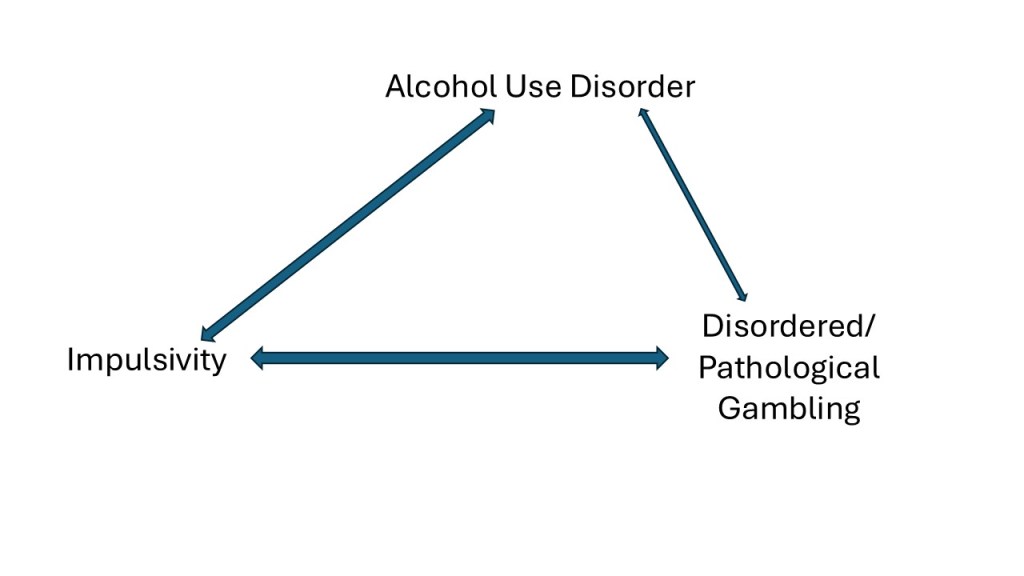
BTW, I created this image…without AI or ChatGTP. I was trying to create an isosceles triangle…but it didn’t quite work out. Now you know why I got only a “C” in my drafting class in high school. 😦
As an example, the study by Harries et. al. (2017) mentioned above included 572 non-treatment seeking gamblers between the ages of 18-29 who were divided into three groups: non-current drinkers, current drinkers who did not quality for an alcohol use disorder (AUD), and those with an alcohol use disorder. These subjects were then assessed on gambling pathology, severity and impulsivity using the Structured Clinical Interview for Gambling Disorder, the Yale Brown Obsessive Compulsive Scale for Pathologic Gambling and the Barrett Impulsive Scale-11 in addition to several cognitive tests. All all clinical measures, the AUD was significantly more likely than the non-current and current drinkers to be a pathologic gambler and to be impulsive, compulsive and depressed. Furthermore, the AUD had significantly worse strategy use on a spatial working memory task than the other two groups.
Second, in a study of 794 Swedish college students, Forsstrom et. al. (2022) found that high levels of impulsivity and being male increased the risk of excessive alcohol use, while being older lowed the risk of excessive alcohol use and gambling. Their findings suggest that it is primarily young men who could benefit from primary prevention in a university setting.
The last example is by Smit et. al. (2023), who conducted a study of 2,704 participants from Victoria, Australia who completed survey questions about their patterns of drinking. They were particularly interested in determining whether the frequency of heavy episodic drinking (HED) and alcohol use while gambling were associated with risky gambling, while controlling for sociodemographic variables. The correlations between drinking and problematic gambling are exacerbated by the fact that gambling machines are located within taverns, including pubs, clubs and casinos.
They found the following results:
- Those with a drinking pattern of weekly HED (vs. less frequent or no HED) and those reporting alcohol use during gambling (vs. no alcohol while gambling) were at higher odds of being risky gamblers;
- Engaging in both HED and alcohol use while gambling was associated with a higher likelihood of risky gambling (vs. any gambling), while controlling for sociodemographic indicators. This suggests that those individuals who engage in HED and use alcohol while gambling are about three times more likely to be in the risky gambling group compared with those who had no HED and who did not drink alcohol while gambling;
- Those who engaged in alcohol use while gambling, but no HED, also showed higher odds for risky gambling;
- About 40% of risky gamblers reported both HED and drinking while gambling.
Is there a genetic component that could contribute to disordered gambling and alcohol misuse?
In 2015, Guillot, et. al. reported an association between one particular gene, COMT, with both disordered gambling and problem drinking.
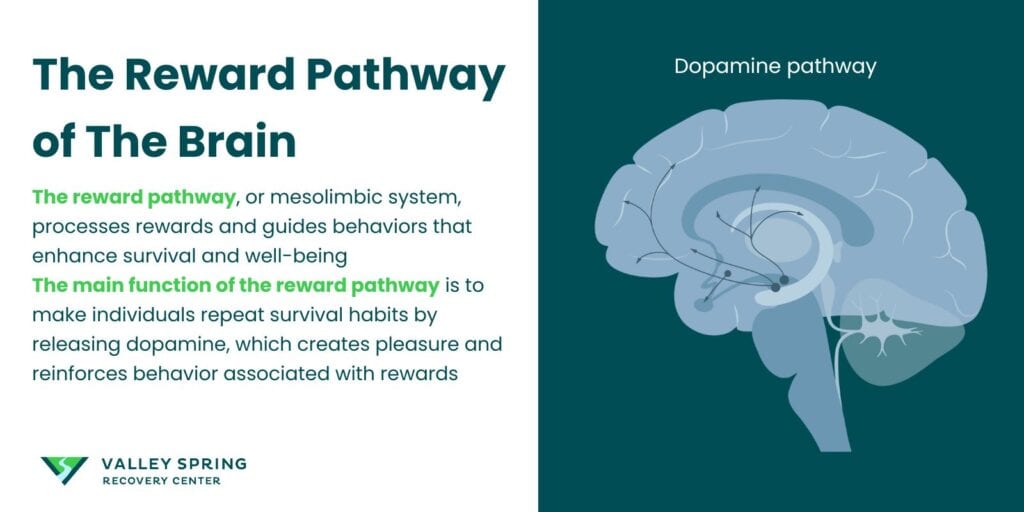
COMT is the acronym for catechol-O-methyltransferase, which is an enzyme responsible for the inactivation of dopamine, DA, the neurotransmitter most associated with reward and addiction.
To paint with a very broad brush, when we engage in a pleasurable activity, it gets “marked” with a pulse of dopamine, thereby increasing the likelihood that we will repeat that activity:
So there are certain forms of COMT which are less efficient at inactivating dopamine, and those have been identified as a mutation which replaces one particular amino acid (valine, or Val) in the chain with another (methionine, or Met). It’s a subtle change in the enzyme, but it is sufficient to be related to both measured gambling and drinking problems.
The study described by Guillot, et. al. (2015) involved 139 health Caucasian volunteers, 77 male and 62 female) between the ages of 21 and 55. Participants were recruited from the University of Southern Mississippi and local community through fliers, university-based e-mail announcements, and newspaper and online advertisements requesting volunteers for a paid study ($10 per hour). Each of these participants filled out a South Oaks Gambling Screen (SOGS), which is designed to screen for lifetime pathological gambling, and a Michigan Alcoholism Screening Test (MAST), which is designed to screen for alcohol abuse/dependence, or problem drinking. Each of them then had blood drawn to determine the genotype of their COMT gene.
The results indicated the following:
- SOGS score was not significantly correlated with MAST score;
- However, there was a significant correlation between the Met form of COMT and at-least-at-risk gambling as indicated by their SOGS scores;
- Furthermore, those individuals who were Met/Met homozygotes displayed significantly higher MAST scores, suggesting that these homozygotes were at greater risk of being mildly probably problem drinkers in comparison to Val carriers.
P.S.: Sing it, bruthah!
P.P.S.:
Eisen, S. (2009).Alcoholism, Drug Abuse and Behavioral Addictions: A Biological Approach. Kindle Digital Publishing.
Forsstrom, D.; Rozental, A.; Sundqvist, K. (2022). Alcohol Use and Gambling Associated with Impulsivity among a Swedish University Sample. International Journal of Environmental Research and Public Health 29:2436. https://doi.org/10.3390/ijerph19042436 .
Harries, M.D.; Redden, S.A.; Leppink, E.W.; Chamberlain, S.R.; Grant, J.E. (2017). Sub-clinical Alcohol Consumption and Gambling Disorder. Journal of Gambling Studies 33(2):473-486. doi: 10.1007/s10899-016-9649-z.


 Addictions and Recovery